Need home walk-in tubs in Los Angeles?
Questions about a walk-in tub or shower conversion? Reach out and Valuescamp Walk-In Tubs will connect you with independent local providers. Request an estimate with no obligation.
No obligationWalk-In Tubs & Safer Bathing in Los Angeles, CA
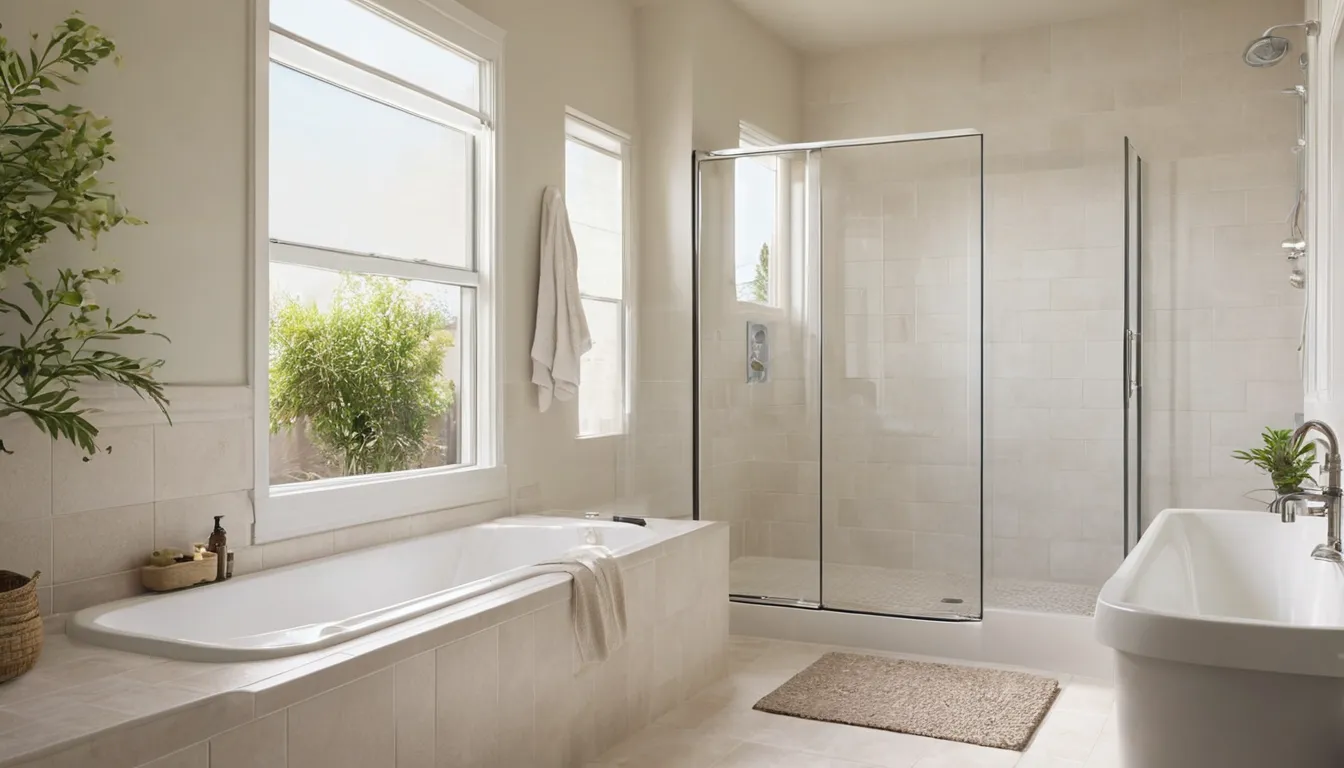
Many homeowners think a walk-in tub is a big, clinical piece of equipment. In practice, today's models look much like a regular tub with a side door, a built-in seat and grab bars. The goal is simple: get in and out safely, and stay comfortable while you bathe.
Valuescamp Walk-In Tubs is a referral service. We do not install anything ourselves. We connect homeowners in Los Angeles and the Los Angeles area with independent local providers who measure the bathroom, explain the choices and put a written quote on paper. You can compare estimates from more than one provider, ask questions, and decide at your own pace, with no obligation.
A lot of people think a slip in the tub is just bad luck. In practice, it often means the setup no longer fits the body using it. Tall tub walls ask for balance, leg strength and a steady grip. Those can fade slowly, and bath time starts to feel like a chore to dread.
A walk-in tub has a watertight door in the side. You step in at a low height, sit down, close the door, and then the tub fills. That one change removes the big step over the edge.
Many homeowners picture a hospital fixture. Modern models look like a regular tub with a taller wall and a seat. The people who choose them are often still active. They want to bathe without worry, or soak sore joints at the end of a long day. Choosing one early is not giving up. It is planning ahead.
Small warnings show up before a fall does. Watch for these:
Any one of these is worth a conversation. Act on early signs and you get more choices, more time to compare, and less pressure.
Senior walk-in tubs are the most common use, but they are not the only one. A walk-in tub can suit:
It may not suit someone who cannot sit upright without help or who cannot transfer from a wheelchair. In that case, handicap accessible showers can be a better fit, and a provider can talk through both.
Not every tub has the same parts. Ask about:
A soaker is the simple one. It holds water and nothing else. It costs less and has fewer parts that can wear out.
Jetted models add water jets for massage. Some use air bubbles instead. Combination models offer both. Jets feel nice, but they add cost, noise and cleaning. Many people assume jets are a must. In reality, plenty of owners pick a soaker and spend the difference on a better seat. Choose by how you will really use it, not by the brochure.
A walk-in tub is usually longer than a standard tub, but many models fit the common alcove sizes found in older bungalows and 1950s to 1980s tract homes. Some come in narrower versions for tight rooms. The door also needs space to open, so clearance matters as much as length. A provider can measure and tell you plainly if a model fits, or if the room needs small changes first.
Tub replacement is not a quick swap. A provider typically:
Homes built on a slab may need drain work through concrete, which adds time and cost. Raised foundations are often easier to reach from below. Ask how many days the bathroom will be out of use. It varies by home.
This one surprises people. You sit in the tub while it fills and drains, so the water has to stay warm for a while. Many walk-in tubs hold 40 to 80 gallons. A small tank can run out before the tub is full. Ask the provider to look at your tank size and how fast it recovers. Sometimes a water heater upgrade is part of a safe bathing conversion. It is better to know before you sign.
Compare, then decide. Use the same questions with each provider so the quotes line up:
A clear written quote beats a rushed verbal one. If someone pushes you to sign on the spot, that tells you something.
Expect a small change in routine. You wait for the tub to fill and drain with the door closed, so many owners keep a robe or warm towel within reach. Wipe the door seal now and then. If you have jets, run a cleaning cycle as the maker directs. Dry seals tend to last longer. A non-slip mat on the floor outside the tub is a smart extra.
The person bathing should help choose. If possible, have them sit in a showroom model. Check the seat height, the reach to the controls, and how the door latch feels in their hands. A tub that looks great but feels awkward will sit unused.
Myth versus reality: you do not have to decide on the first visit. Get two or three estimates, line them up, and take your time. Request a callback to check provider availability in your area, then choose with no obligation.
A side door means you walk in at a low height instead of lifting a leg over the tub wall.
Sit down to bathe, so your legs and balance do less work.
Sturdy bars placed where your hands naturally reach help with standing, sitting and turning inside the tub.
A textured floor and seat add grip when wet, which matters most for getting in and out.
Prices vary a lot by model, bathroom layout and home. These are typical U.S. ranges, not quotes. Get a written estimate from more than one provider so you can see what each price includes.
| Item | Typical range | Notes |
|---|---|---|
| Basic soaker walk-in tub | $2,500 – $5,000 | Simplest design, fewest moving parts |
| Jetted or combination tub | $4,500 – $10,000 | Jets add cost, noise and cleaning |
| Standard installation labor | $1,500 – $4,000 | Depends on access and bathroom size |
| Plumbing and drain changes | $500 – $3,000 | Slab homes may need concrete work |
| Electrical work | $300 – $1,500 | Often needed for jets or heated seats |
| Water heater upgrade | $1,200 – $3,500 | Only if your tank is too small |
Tell us about the bathroom and who will use the tub, then request an estimate or call.
Valuescamp Walk-In Tubs connects you with an independent provider in your area.
Review the model, scope and price from each provider side by side.
Pick the provider and plan that fit your home, or take more time. No obligation.
We explain walk-in tubs in simple words, clear up common myths, and leave the decision to you.
You are matched with independent providers who work in your area.
Ask for more than one estimate so you can weigh price, features and scope.
Requesting an estimate comes with no obligation, and you move at your own pace.
Questions about a walk-in tub or shower conversion? Reach out and Valuescamp Walk-In Tubs will connect you with independent local providers. Request an estimate with no obligation.
No obligationTypical U.S. totals run from several thousand dollars to well over ten thousand, depending on the model, plumbing, electrical work and your bathroom. Always ask for a written quote that lists what is included.
Sometimes. Walk-in tubs hold a lot of water and you sit in it while it fills and drains. A provider can check your tank size and tell you whether an upgrade makes sense.
Coverage is limited and depends on your plan, so check your policy. Providers can often supply the paperwork you may need, but nothing is assured.
Questions about a walk-in tub or shower conversion? Reach out and Valuescamp Walk-In Tubs will connect you with independent local providers. Request an estimate with no obligation.
No obligation